null

The Ultimate Guide to Fire Pit Sizes and Materials
The Ultimate Guide to Fire Pit Sizes and Materials

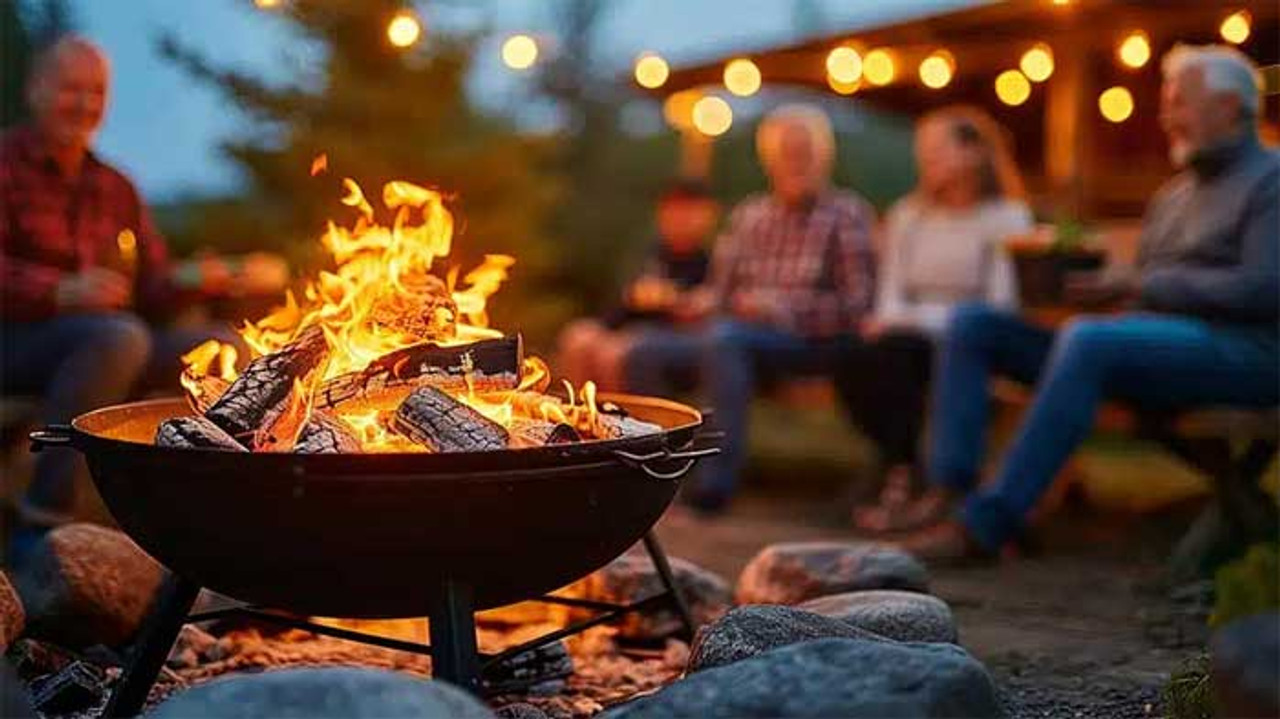
If you’re reading this, chances are you’re imagining cozy nights by a dancing fire under the stars — maybe you’re picturing s’mores, laughter, and crackling logs on a cool evening in your backyard. But before you build or buy a fire pit, there are two major decisions to make: how big should it be, and what material will make it last. Both affect not only how the fire feels — the heat output, the ambiance, the safety — but also how long your investment endures. In this guide, we’ll walk you through fire-pit sizing, dive deep into the most durable materials, and highlight real-world examples from handcrafted designs to inspire your own setup.


How Fire Pit Size Influences Experience

When you’re picking a fire pit, size matters — and it’s not just about how many people you can seat around it. Fire-pit size affects:

  • Heat output and warmth area

  • Fire visibility and ambiance

  • Safety and clearance requirements

  • Portability vs. permanence

Here’s how to think about different sizes:

Small & Portable: Great for intimate gatherings or small patios

For a fire pit that seats 2–4 people comfortably, a diameter around 24–30 inches (approx. 60–75 cm) is often ideal. These smaller pits are easier to move, less expensive, and perfect for compact patios, decks, or small backyards. Because they’re smaller, they’re often used with wood, charcoal, or even gas insert burners for quick, manageable fires.

For example, the Ohio Flame Chalice 30" Diameter Fire Pit Patina Finish — with a 30-inch diameter and 20-inch height — is a beautifully crafted, compact fire bowl. It’s built with thick carbon steel, made to withstand the elements year-round, and is ideal for smaller gatherings or patios where you want warmth without overwhelming heat.

Medium: The “Goldilocks” size for most families and backyard spaces

Fire pits with diameters around 36–48 inches (about 90–120 cm) strike a balance: they’re large enough to produce generous warmth and a nice flame dance, but still manageable in terms of installation and maintenance. They’re perfect for typical family backyards, decks, or stone patios — big enough to seat 4–6 people and still leave space for seating, furniture, or walkways.

This size is versatile: it works for wood-burning fires, gas burners, or even mixed-use (logs + lava rock and gas).

Large & Statement: For big gatherings or design focal points

Large fire pits — typically 48–60 inches (120–150 cm) or more — can transform a backyard into a true outdoor living space. They become the center of patios, gardens, or entertaining areas. Their broad surface and deep fire bowl create a dramatic, campfire-like aura.

A great example is the Fire Pit Art Asia 60" Low Flat Oriental Style Fire Pit. At 60″ wide and 16″ high, this fire pit is designed to be a dramatic centerpiece — giving a full 360° view of the fire no matter your seat height. It’s large enough to warm a group and act as a social hub.

But with size comes responsibility: a large fire pit should be placed on a fire-safe surface (stone, pavers, concrete), ensure proper clearance from flammable materials, and have enough seating distance so everyone enjoys the warmth without risk.


Materials Matter: What Makes a Fire Pit Last

Size is only part of the equation. The material your fire pit is built from (and how it’s built) largely determines how long it lasts, how it weathers the elements, and how much maintenance it needs. Let’s explore the most common (and most durable) options — and why they’re favored by artisans and homeowners alike.

Carbon Steel — Durable, Rustic, and Weather-Ready

One of the top materials for fire pits — especially handcrafted, heavy-duty ones — is carbon steel. Carbon-steel fire pits are known for:

  • Strength and structural integrity under heavy use 

  • The ability to handle high temperatures (wood or gas) when treated with a high-temp coating inside 

  • A natural, evolving charm: carbon steel often develops a patina (an aged, rust-rich finish) over time that both protects the metal and enriches its appearance. 

Take the Fire Pit Art Asia 60" as an example. It’s crafted from thick ¼-inch mild carbon steel, with an interior lined in high-temperature resistant coating, and an exterior coated with an iron-oxide patina. That patina is maintenance-free and allows the fire pit to live outside in all weather — from sun to rain to snow. Over time it “matures,” darkening a few shades and becoming a permanent finish. 

Similarly, the Ohio Flame Chalice fire bowl uses thick carbon steel sourced from American mills and is treated so that it can stand up to the elements year-round, without requiring regular maintenance. thefirepitstore.com

Why carbon steel works so well: It balances durability, heat performance, and aesthetics. As a result, fire pits made from this material often become long-lasting backyard fixtures rather than short-term decorative pieces.

Stainless Steel — Sleek, Rust-Resistant, Low Maintenance

If you prefer a more modern look, or you live somewhere humid and rainy, stainless steel fire pits are often recommended. Stainless steel is highly resistant to rust and corrosion, making it a strong choice for longevity, especially when exposed to moisture. 

Many fire-pit inserts (for gas or wood) are built with heavy-gauge steel or stainless steel for precisely this reason. The material doesn’t just resist weather — it’s also good at reflecting heat and maintaining structural integrity after repeated heating and cooling cycles. Fun Outdoor Living

For those who care about a clean, modern aesthetic and minimal upkeep — or who live in climates with high humidity or frequent rain — stainless steel is often worth the investment.

Natural Stone, Concrete & Masonry — Timeless, Heavy, and Heat-Resistant

If you’re going for permanence — a fire pit that becomes part of your landscape — stone (granite, slate, limestone, etc.), concrete blocks, or masonry are excellent choices. These materials bring several advantages:

  • They’re highly heat-resistant and weather-resistant, so they don’t degrade under repeated fire use or exposure to rain, sun, or cold. 

  • They retain heat well. Once the fire wanes, the stones or concrete continue to radiate warmth, making the fire pit more efficient and cozy. 

  • Aesthetic flexibility — they can be built into custom shapes, surrounded by stone veneer, or integrated into patios, gardens, and outdoor kitchens. 

The trade-offs: stone and concrete fire pits are typically heavy and permanent — not something you move once built. They often require a solid base and proper foundation (to avoid shifting) and may need careful planning (fire-brick lining, mortar, etc.) when used for wood fires. 

Cast Iron & Other Metals — Rustic and Heat-Retaining, but with Some Caution

Cast iron fire pits and similar heavy metals have legacy appeal. They’re durable and often hold heat well, but they also come with caveats: cast iron can be prone to rust if exposed to moisture regularly, and it may dent or crack under heavy stress or if dropped. 

If you go this route, be prepared for some maintenance: clean and dry the pit regularly, and consider covering it when not in use (on dry air-permeable cover, not a plastic tarp — as that can trap moisture and accelerate rust).

Overall, cast iron is a solid middle ground: more traditional than stainless or carbon steel, less “permanent landscaping” than stone or concrete, but potentially more maintenance.

Ceramic, Refractory Components & Fire-Safe Linings — Behind the Scenes of Safe Flames

For fire pits that see repeated, high-intensity wood fires (or gas fires), it's often not just the exterior shell that matters. The internal firebox, liner, and bottom need materials that can handle direct flame and thermal cycling.

That’s where ceramic, refractory materials, fire bricks, and specialized heat-resistant coatings come in. Many custom-built masonry fire pits use these inside their wood-burning compartments to ensure heat doesn’t crack or degrade the outer shell. 

Even in metal bowls, a high-temperature interior coating (as seen in the Fire Pit Art models) helps protect the steel from warping, overheating, or degrading over time. 


Matching Size + Material to Your Lifestyle

At this point, you might be wondering: “So which size and material should I go with?” The answer depends largely on how you plan to use your fire pit, where it will go, and how much maintenance you're willing to do. Here's a quick breakdown:

Use Case / Setup Recommended Size Recommended Material(s)
Small patio or balcony, 2–4 people, occasional fires 24–30" diameter (portable) Stainless steel or small carbon-steel bowl
Medium backyard, family gatherings, regular use 36–48" diameter Carbon steel, stainless steel, or masonry/stone if permanent
Large patio/entertaining area, social hub, statement piece 48–60"+ diameter Heavy-gauge carbon steel (patina finish) or stone/concrete masonry
Permanent built-in fire feature (patio, garden, outdoor kitchen) Custom size, often large Stone, masonry, concrete (with fire-brick lining)
Low maintenance, weather-resistant, all-season outdoor use Any size Stainless steel or patinated carbon steel

Additional considerations:

  • If you want something portable, avoid heavy stone or concrete — they’re beautiful but permanent.

  • If your climate gets rain, snow, or high humidity, prioritize rust-resistant materials like stainless steel or patinated carbon steel.

  • For wood-burning pits, ensure proper drainage (so rain doesn’t pool), and consider internal linings to resist heat stress.

  • If it’s on a deck or near combustible siding/vegetation — choose a fire-safe base (stone, pavers) and a design with controlled flame/bowl depth.


Real-World Examples: Handmade Fire Pits That Stand the Test of Time

Handmade fire pits — especially those crafted from heavy-gauge carbon steel — often combine durability, aesthetic beauty, and functional design. Let’s revisit two excellent real-world examples from artisans whose pieces illustrate the principles above.

Fire Pit Art Asia 60" — Art, Function, and Durability

The Fire Pit Art Asia 60" fire pit — sold through The Fire Pit Store — shows how size and material come together elegantly. By using ¼-inch thick mild carbon steel, the creators ensure structural integrity and resilience under repeated use. The interior is coated with a dense, high-temperature-resistant coating, while the exterior wears a natural iron-oxide patina. That patina protects the steel from weather and—over time—develops a richer, darker, permanent finish that makes each piece unique. 

Because of its large 60″ size, this fire pit becomes a centerpiece — offering full visibility of the fire from any seating height or angle. It’s built to stay outdoors in all seasons, even in freezing winters or humid summers.

For those seeking a statement fire pit that blends artistry with rugged durability, this model nails the brief.

Ohio Flame Chalice 30" — Compact, Versatile, Built to Last

On the smaller end of the spectrum, the Ohio Flame Chalice offers a 30″ diameter bowl — ideal for cozy backyard circles or patio seating. Crafted from thick American steel, it’s designed for long-term outdoor exposure, with a substantial rain drain and a patina exterior that develops naturally over time. 

Because of its manageable size and durable build, this fire bowl works well for wood or gas fires, and its portability (relative to large masonry pits) makes it a flexible option for many homeowners.

For a blend of compact size, artisan craftsmanship, and weather resistance, this Chalice is a great example of how well-made smaller fire pits can deliver both function and longevity.


? Other Popular Materials — When Steel Isn’t the Right Fit

While homemade carbon-steel pits like the ones above are fantastic, they’re not the only durable options. For some homes and landscapes, other materials may be a better match:

  • Stone, concrete, or masonry — Ideal for built-in outdoor fireplaces or permanent fire pits integrated into patios or gardens. Their heat resistance, durability, and ability to radiate warmth long after the fire dies make them appealing. 

  • Cast iron — Offers heat retention and an old-school look, but needs some maintenance (rust prevention, drying). 

  • Stainless steel — Great for modern aesthetics, minimal maintenance, and for humid or rainy climates. As some experts note, stainless steel inserts or bowls are among the most weather-resistant options. 

  • Ceramic or refractory linings/fire bricks — Especially crucial for wood-fired pits or pits using intense heat. These materials help contain the fire safely and prevent damage to the structure. BretMar Landscape


Maintenance, Placement & Longevity Tips

Building a fire pit is only part of the job — taking care of it ensures it lasts for decades. Here are some practical tips to get the most out of your fire pit:

  • Use a proper base. If installing on a deck or wood surface, use a heat-resistant base (stone, pavers) and consider insulating pads or heat mats so radiant heat doesn’t damage decking below — especially for larger pits. Some artisan fire pits recommend a 1.5” thick stone base at least 3’ square under them. 

  • Promote drainage. Rain can pool in a bowl and accelerate rust or degrade materials. Look for pits with a built-in rain drain or consider drilling and sealing a drain during installation. The artisan fire pits described above include a drain for just this reason. 

  • Avoid moisture traps. For metal pits — especially steel or cast iron — do not cover them with plastic tarps for long periods. Moisture trapped under a tarp can accelerate corrosion and even ruin patinas. 

  • Use fire-safe surroundings. Keep fire pits at a safe distance from structures, trees, and flammable materials. A base area of gravel, sand, stone, or pavers is safer than mulch or grass. 

  • Regularly inspect and clean. For wood-burning pits: remove ash, ensure drainage, check for cracks or rust. For metal pits: rinse off accumulated soot, dry thoroughly after rain, and — if needed — apply rust-inhibiting treatments or sealants.


How to Choose — A Simple Decision Flow

If you’re still not sure where to start, here’s a quick decision flow that often helps:

  1. How will you use it?

    • Occasional small fires, 2–4 people ⇒ Small, portable pit (e.g., 30″, stainless or steel)

    • Regular use, family/friends, backyard parties ⇒ Medium (36–48″) or large fire pit

    • Long-term landscaping feature, big gatherings, design centerpiece ⇒ Large (48–60″+) or masonry built-in

  2. What kind of maintenance are you comfortable with?

    • Minimal care, low maintenance, weather-resistant ⇒ Stainless steel or patinated carbon-steel bowl

    • Don’t mind occasional care, like cleaning and rust prevention ⇒ Cast iron or untreated metal

    • Want “set it and forget it,” integrated with patio or garden ⇒ Stone, masonry, concrete

  3. Where will it live?

    • Deck or composite flooring ⇒ Use a fire-safe base, consider weight and heat pad

    • Backyard patio or stone deck ⇒ Many options: steel, stainless, masonry

    • Gravel or stone yard, open space ⇒ Flexible: even large pits or built-ins

  4. What atmosphere are you going for?

    • Modern and minimalist ⇒ Stainless steel or sleek steel bowls

    • Rustic, natural, earthy ⇒ Cast iron, stone, or patinated steel bowls

    • Statement, architectural, center-piece vibe ⇒ Large art-style steel or masonry fire pits


Why Handmade Fire Pits Often Outperform Cheaper Alternatives

You might wonder: “Why spend the money on artisan-made fire pits when there are cheaper, mass-produced options?” The answer often comes down to quality, materials, and longevity:

  • Handmade fire pits (like those from The Fire Pit Store) are built from high-gauge 1/4" carbon steel, thicker than you’ll find in most budget fire bowls — making them sturdier and less prone to warping or thin spots. 

  • They often include high-temperature coatings inside, ensuring the steel isn’t compromised by repeated wood or gas fires. 

  • Many artisan pits come pre-treated with patina finishes or protective coatings, which means they can stay outside year-round, rain or shine, without needing constant maintenance. 

  • They’re often backed by warranties or assurances of structural integrity — something mass-produced pits may not offer. For example, Ohio Flame’s fire bowl is built to last a lifetime. thefirepitstore.com

  • Finally — and perhaps most importantly — they have design longevity. A well-made fire pit becomes part of your home’s landscape. It weathers, evolves, acquires character, and becomes — in a sense — its own piece of functional outdoor art.


Recommended Fire Pits from The Fire Pit Store — by Size & Use

Overview of Picks

  • Ohio Flame Chalice 30" Diameter Fire Pit — A compact, artisan-crafted fire bowl (30") perfect for small patios, balconies, or intimate backyard spaces. It’s made from thick American carbon steel and has a built-in rain drain, patina finish, and lifetime structural warranty. 

  • Ohio Flame Patriot 36" Round Steel Fire Pit — A versatile mid-sized fire pit (36" diameter) that balances heat output, portability, and durability. Its steel bowl and drainage make it weather-resistant and low-maintenance — a good “everyday backyard” choice. 

  • Fire Pit Art Saturn 40" Round Steel Fire Pit — At 40", the “Saturn” adds more fire-bowl capacity and a distinct design aesthetic (with a surrounding rim/ring). It’s crafted from heavy ¼-inch carbon steel, with high-temperature interior coating and a patina exterior. Great for medium-sized gatherings and design-forward spaces. 

  • Fire Pit Art Magnum 54" Carbon Steel Fire Pit — A large, sturdy steel fire pit (54") with a functional ring for resting drinks or feet — ideal as a centerpiece in larger patios or outdoor entertaining areas. Its heavy-gauge steel construction and patinated finish make it built to last.

  • Fire Pit Art Asia 60" Low Flat Oriental Style Fire Pit — A dramatic 60″ fire pit with a “low and flat” oriental-inspired design, giving a 360° view of the fire from any seat. Built from ¼-inch mild carbon steel with a high-temp coated interior and maintenance-free iron-oxide patina exterior. Designed to stay outside year-round in varied weather.

  • Fire Pit Art Asia 72" Low Flat Oriental Style Fire Pit — For very large spaces or social hubs: the 72″ version of the Asia series. With massive surface area and heavy steel build, it’s a statement-making fire pit designed for large gatherings or as a landscape centerpiece. 

  • Ohio Flame Liberty 30" Fire Pit — A simple, compact fire pit (30") with a hollow base and natural-steel finish that develops a patina over time. Good for smaller yards or for someone who wants a straightforward, no-fuss fire pit that still performs well and lasts.


Why These Are Great Picks (Beyond Size & Materials)

  • Durability & Weather Resistance: Most of these fire pits use thick (¼-inch or heavy-gauge) carbon steel, often with a high-temperature resistant interior coating and an exterior patina that’s meant to endure rain, snow, and sun all year. For example, the Asia series (60", 72") emphasizes a "maintenance-free" iron-oxide patina exterior that can remain outside in all weather conditions. 

  • Drainage Built-In: Options like the Ohio Flame Chalice and Patriot, as well as the Fire Pit Art line, include rain drains — important for water management to prevent corrosion and prolong lifespan.

  • Aesthetic Versatility: From compact minimalist bowls (Ohio Flame Liberty 30") to statement-making large steel pieces (Asia 72", Magnum 54"), these fire pits show how material and craftsmanship can match different design sensibilities — rustic, modern, elegant, functional, or dramatic.

  • Size Versatility: The selection covers a wide spectrum — small portable bowls up to large social-centerpiece fire pits — so you can match pit size to your available space, seating needs, and how you want to use the fire.


✅ My Recommendations Based on Use-Cases

  • Small patio / intimate 2–4 person gatherings (and portability matters): Go for Ohio Flame Chalice 30" or Ohio Flame Liberty 30".

  • Backyard family fires, occasional guests (4–6 people), balanced cost & performance: Ohio Flame Patriot 36" or Fire Pit Art Saturn 40" are excellent mid-size bets.

  • Frequent entertaining, medium to large groups, or want a design statement: Fire Pit Art Magnum 54" or Fire Pit Art Asia 60" deliver warmth, ambiance, and presence.

  • Big parties, built-out patios, or want a true centerpiece that anchors an outdoor living space: The Fire Pit Art Asia 72" offers maximum impact and capacity.


Designing Your Fire Pit for the Long Haul

Building or buying a fire pit isn’t just about the first fire you light — it’s about many winters and summers to come. Treat this as a long-term decision. Think about how you’ll use it, how you’ll care for it, and the mood or ambiance you want to set.

If you want something that will age gracefully, require minimal upkeep, and add genuine beauty, a heavy-gauge carbon-steel fire pit with a patina finish or a stone/concrete masonry pit will likely serve you best. If you value portability or a modern, low-maintenance option, stainless steel could be your best friend.

And if you go with artisanal craftsmanship — like the Fire Pit Art Asia 60" or the Ohio Flame Chalice — you’re not just buying a fire pit. You’re investing in a durable, weather-hardy, beautiful centerpiece that can define your outdoor space for decades.

So as you plan your backyard — think beyond the flames. Think about longevity, material integrity, and timeless design. Because a great fire pit doesn’t just burn wood — it builds memories.

1st Dec 2025 The Fire Pit Store

Fire Pit Tips, Product Guides & Outdoor Living Advice

FREE Shipping For

All Orders Over $99

Safe & Secure

Checkout

Have Questions?

Contact Us

Est. 1999

Celebrating 26 years online