
Gas vs Wood Fire Pits: Which One Fits Your Lifestyle

If you're thinking about adding a fire pit to your backyard, you’ve probably run into the classic debate: “gas vs wood fire pit.” Each type brings its own set of advantages, quirks and lifestyle considerations. This article will walk you through the big differences — in easy-to-read, non-technical terms — so you can pick the one that fits you. (By the way, if you're looking to buy, you can browse great options at TheFirePitStore.)
Why the decision matters
A fire pit isn’t just another backyard ornament. It becomes part of how your outdoor space works — whether it’s a cozy gathering spot for marshmallows, a warm place to hang out on cool evenings, or a stylish focal point for your patio. Choosing between a gas fire pit and a wood fire pit affects:
-
How much work you’ll do (logging, lighting, cleanup)
-
How the fire behaves (smoke, smell, flame style)
-
How it fits your property (fuel access, regulations, space)
-
What kind of vibe you want (rustic campfire vs modern convenience)
-
The budget (initial cost + ongoing fuel/maintenance)
Let’s break it down.
What each type is
Wood Fire Pit
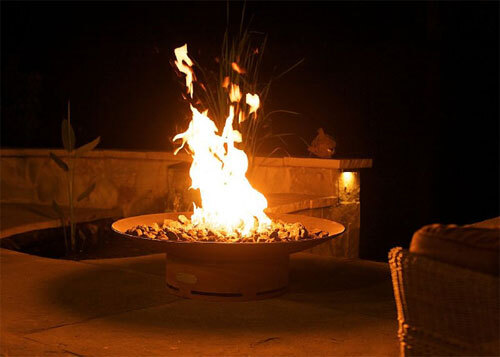
A wood-burning fire pit uses logs/wood as fuel. You build the fire, keep adding wood, deal with ashes once it’s done. It tends to have that classic campfire ambience: crackling, popping, smoky smell, warmth from open flame.
Gas Fire Pit
A gas fire pit uses natural gas or propane as fuel. Flip a switch or turn a knob, and you’ve got flames. No logs, minimal smoke (often none), less mess. e.g., you might even integrate it into a patio with a permanent gas line.
Comparison Table: Gas vs Wood Fire Pit
Here’s a side-by-side look at how they differ:
So, which fits you?
Here are key questions to ask yourself that can steer you toward the right choice.
1. What kind of experience do you want?
-
If you love the idea of chopping or stacking wood, hearing logs crackle, the smell of a campfire — go wood.
-
If you prefer “walk outside, push a button, get fire” — go gas.
2. How much effort are you willing to invest?
-
Wood means gathering/storing wood, lighting, tending, cleaning ash.
-
Gas means minimal work — but you’ll still want to keep the system maintained.
3. What’s your space like and what are the local constraints?
-
If your backyard is tight, near neighbors or under wind/smoke risk, a gas fire pit may be smarter. Some neighborhoods or HOAs may restrict wood fires.
-
If you have a large yard, are okay with some smoke drift, or want that free-range outdoor setting, wood works.
4. What’s your budget and long-term cost tolerance?
-
Wood fire pits usually cost less to install initially (especially if DIY) but cost in wood supply, storage.
-
Gas fire pits cost more upfront (installation, gas hookup) but fuel/maintenance can be simpler.
5. What’s your fuel access and storage situation?
-
Wood: Do you have a dry place for wood? Easy access to logs or firewood delivery?
-
Gas: Is there a natural gas line, or will you use propane? Is the tank safely stored?
6. How much do you care about smoke, air quality & neighbors?
-
If you (or someone in your household) are sensitive to smoke, or if your property is subject to smoke restrictions, gas is the safer bet.
7. What’s your home’s style / what vibe do you want?
-
Modern patio with sleek furniture might pair nicely with a gas fire pit that has clean, contemporary design.
-
A rustic cabin, wooded lot, natural aesthetic may benefit from a wood fire pit’s ambiance.
Real-life scenarios
To help you picture it, here are a few typical “which fits what” examples.
-
You have a cozy suburban patio, want easy weekend fires → A gas fire pit is perfect: minimal fuss, no log hauling, no smoke in windows.
-
You live on acreage, love camping-style backyard evenings with friends → A wood fire pit may deliver the feel you want: full-on campfire experience, gathering logs, toasting marshmallows.
-
You worry about neighbors or live in a fire-sensitive area → Gas offers more control and cleaner burning, which may satisfy regulations or HOA rules.
-
You love the idea of cooking over an open flame (foil packets, skewers, etc.) → Wood might give more flexibility for “wild fire cooking,” though some gas models support grill accessories.
-
You value low-maintenance and convenience above everything → Gas is likely your go-to.
Tips for whichever you choose

For Wood Fire Pits:
-
Store your wood in a dry, ventilated space so it’s ready to burn cleanly.
-
Keep debris, dry leaves, etc away from your fire pit area.
-
Use a spark screen or fire guard if embers are likely to fly.
-
Check local burn bans or fire regulations (especially in dry seasons).
-
Build a safe distance from structures and overhangs; consider wind direction so smoke doesn’t drift into your home or neighbors.
For Gas Fire Pits:
-
Hire a qualified professional if you’re installing a natural gas line. Safety first.
-
Ensure you have proper ventilation and check for leaks or gas line damage periodically.
-
If you’re using propane, place the tank responsibly, keep cover handy, and rotate/refill as needed.
-
Choose a design or style that fits your patio décor — many gas fire pits double as design pieces (glass rock, fire bowls, etc.).
-
Even though cleanup is less, still use a cover when not in use to protect from weather.
The long haul: Maintenance and durability
-
With wood fire pits: you’ll deal with ash, soot, maybe creosote (if wood is improper). Over time materials (steel, metal) can rust or degrade if not properly maintained.
-
With gas fire pits: fewer consumables (no logs) but components like burners, valves or gas lines may require inspection. Materials should be weather-rated.
In either case, using quality materials (steel, stone, concrete designed for outdoor heat) will help durability.
Environmental and neighbour considerations
-
Wood fires produce much more particulate matter and smoke. For people with respiratory issues or children, this could be a factor.
-
Gas burning results in cleaner combustion, fewer visible emissions. That may also mean fewer conflicts with neighbours or local regulations.
-
That said — wood is more renewable (if sourced responsibly) vs natural gas (which is fossil fuel). So there’s a trade-off: ambience vs fuel source. Southview Design
Which one fits your lifestyle
-
If your lifestyle is busy, you prefer low fuss, you value convenience → Choose a gas fire pit.
-
If your lifestyle is relaxed, you enjoy the ritual of building a fire, the smell and crackle of wood → Go for a wood fire pit.
-
If you want a little bit of each — you could even consider a dual-fuel setup, or one wood pit in one part of your yard and a gas one closer to the house.
-
Budget-wise: be realistic about how often you’ll use it, how much maintenance you’ll tolerate, and whether you have easy fuel access.
In the end, the decision comes down to you — your space, your habits, your tastes. Whether you pick a gas versus wood fire pit, you’re adding warmth, light, and a place to gather and enjoy your outdoor space.
Fire Pit Tips, Product Guides & Outdoor Living Advice

5 Fire Pit Activities for Family Nights You’ll Never Forget
There’s something almost magical about a fire pit. The moment the flames catch and begin their stead...

Fire Pit Materials: Carbon Steel, Brass & More
Let’s face it: outdoor gatherings and fire pits go together like s’mores and marshmallows. There’s s...

The Ultimate Guide to Fire Pit Sizes and Materials
If you’re reading this, chances are you’re imagining cozy nights by a dancing fire under the...

Fire Pit Safety Tips Every Homeowner Should Know
There’s something undeniably magical about kicking back in your backyard next to a warm crackling fi...
Gas vs Wood Fire Pits: Which One Fits Your Lifestyle
If you're thinking about adding a fire pit to your backyard, you’ve probably run into the classic de...

How to Choose the Perfect Fire Pit for Your Outdoor Space
Creating an inviting outdoor living area has never been more popular, especially as homeowners seek...